
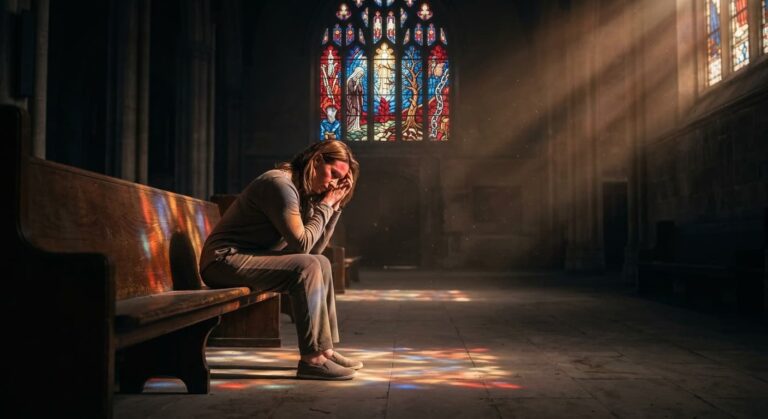
The impact of spiritual abuse can be devastating, even though faith is originally meant to be a source of comfort, belonging, and peace. For many, religion is the foundation where they find purpose and strength during difficult times. However, when those beliefs and the trust placed in spiritual leaders are misused, the resulting experience is deeply personal, often leaving behind hidden wounds that affect your identity, your trust in others, and your connection to the divine.
If you have ever felt trapped, shamed, or controlled in a religious setting, it is important to know that you are not alone. Understanding the impact of spiritual abuse is the first step toward reclaiming your life and finding the peace you deserve. Many people often confuse these experiences with other deep traumas, making it essential to have a clear understanding of child abuse survivors and how various forms of mistreatment intersect.
What Is Spiritual Abuse?
At its core, spiritual abuse occurs when power and control are used to manipulate a person’s beliefs or faith practices. It is not limited to one specific religion or denomination. Whether it happens in a large church, a small group, or even within an intimate relationship, the goal of the abuser is often the same: to gain authority and demand unquestioning obedience.
This type of abuse can look like:
- Manipulation of Faith: Using religious texts or spiritual teachings to justify controlling behavior, shame, or fear.
- Demanding Blind Obedience: Insisting that you never question the leadership, under the threat of being labeled “rebellious” or “lacking faith.”
- Isolation: Pressuring you to cut ties with friends or family who do not belong to the group, leaving you dependent on the abuser.
- Guilt and Shame: Making you feel that your worth depends on following strict, human-made rules rather than experiencing grace or love.
In extreme cases, this manipulation can be tied to complex ritualistic trauma, where specialized SRA survivor deprogramming, freedom, and healing techniques are required to break the mental chains.

The Lasting Impact of Spiritual Abuse
The consequences of spiritual abuse are not just immediate; they often linger long after you leave the environment. Because this abuse targets your core identity and your relationship with the sacred, the impact can be profound.
1. Mental and Emotional Health: Many survivors struggle with anxiety, depression, and even symptoms of post-traumatic stress disorder. When your sense of safety is tied to a group that has betrayed your trust, it is natural to feel confused and fearful. You might find yourself constantly questioning your own judgment or feeling a deep sense of unworthiness. For those who have experienced deep ritualistic trauma, dealing with SRA survivors requires a specific, compassionate approach to address these mental health challenges.
2. The Distortion of Faith: Perhaps the most painful impact is the way it changes your view of God or the divine. If you were told that you were a constant disappointment, it becomes incredibly hard to believe in a higher power that offers love and acceptance. This can lead to a period of “spiritual struggle,” where you may feel distant from your faith or cynical about religious communities altogether. In some instances, people seek freedom through a deliverance ministry online to find a safe space to reconnect with their spirituality.
3. Loss of Identity: When a group demands that you sacrifice your personal goals and relationships for their “corporate” mission, you eventually lose track of who you are. Reclaiming your personal agency, the ability to make decisions for yourself- is a crucial part of the healing process.
Recognizing the Signs
Often, people do not realize they are being abused until they are out of the situation. Some common red flags include:
- Gut Feelings: You consistently feel that something is “off,” but you are told that your feelings are just a lack of faith.
- Fear of Questioning: You feel intense anxiety when you have a question or a different perspective because you fear the reaction of the leader.
- No Accountability: The leadership refuses to answer questions about how decisions are made or how money is spent.
It is also interesting to note how public figures navigate these waters; for instance, exploring the role of deliverance ministry and celebrities shows that no one is immune to the need for spiritual clarity and protection.

The Journey Toward Healing
Healing from spiritual abuse is not a linear path, but it is entirely possible. It requires patience and a commitment to your own well-being.
Find Safe Support:
Do not try to walk this road alone. Finding dedicated SRA survivors support can provide the communal validation needed to move past the shame. Connect with trusted friends, family members, or a professional therapist who understands spiritual trauma.
Reconstruct Your Beliefs:
You get to decide what your faith looks like now. This might involve deep spiritual work, such as understanding what is SRA survivor deliverance and how it can help remove the spiritual blockages left by abusive leaders.
Set Healthy Boundaries:
Learning to say “no” is an act of empowerment. Establishing boundaries is how you protect your peace and regain the control that was taken from you. Remember that you do not owe anyone an explanation for needing space.
Conclusion
Spiritual abuse is a serious wound, but it does not have to be the end of your story. By bringing these experiences into the light, you take away their power. You are worthy of a spiritual life that is built on love, freedom, and personal growth. As you move forward, keep seeking truth, trust your intuition, and remember that you have the strength to reclaim your life.