

Hello Im Randy Goodwin 
In Psalm 147:3, we are given a promise that is both deeply spiritual and profoundly practical: “He heals the brokenhearted and binds up their wounds.” This verse, found in the Bible within the Book of Psalms, is not poetic exaggeration. It is not symbolic comfort meant to soothe us without substance. It is a declaration of literal intervention. God does not merely sympathize with wounded souls—He repairs them. He does not stand at a distance offering kind words. He steps into the ruins and begins reconstruction.
When we talk about survivors—those who have endured trauma, abuse, abandonment, betrayal, neglect, or prolonged hardship—we are not talking about people who simply feel sad. We are talking about individuals whose internal world has been reshaped by pain. Trauma is not just an event; it is architecture. Over time, the mind and soul construct structures for survival. Walls go up. Doors get sealed. Alarm systems stay on high alert. Beliefs form like concrete pillars: “I’m not safe.” “I’m not worthy.” “I can’t trust.” “It was my fault.” These structures are not random. They are built to survive. https://www.youtube.com/watch?v=FPFHABIudj4&t=11s
Sra Survivor Deliverance: Understanding the Journey
The tragedy is that what was once necessary for survival often becomes an obstacle to freedom.
Psalm 147:3 tells us He heals the brokenhearted and binds up their wounds. That implies something active.
Binding wounds requires touch. Healing requires engagement. And here is what many people misunderstand: healing is not simply about making the pain go away. It is about dismantling what the pain built.
Inside a survivor’s soul, there are entire frameworks constructed out of fear, shame, hypervigilance, self-protection, and distorted beliefs. Some of these were formed in childhood. Others were reinforced through repeated experiences. The mind is incredibly adaptive. It programs itself based on what it experiences. If chaos is constant, the brain programs for chaos. If love is inconsistent, the heart programs for instability. If rejection is repeated, identity forms around unworthiness.
Much of this programming operates beneath conscious awareness. That is why you can intellectually know something is true—“I am loved,” “I am safe now,” “It wasn’t my fault”—and yet emotionally feel the opposite. The surface thoughts may shift, but the deeper architecture remains intact.
This is where seriousness becomes essential.
Healing cannot be approached casually. It cannot be a side hobby. It cannot be “Well, I’ll give it a try.” That mindset keeps the deeper programming untouched. When you approach healing as optional, you remain partially committed to the structures that were built in survival mode.
Deconstruction requires intention.
Imagine a building that was constructed hastily during a storm. It kept you alive, but it was never meant to be permanent. Years later, you are still living inside it. The roof leaks. The wiring is unstable. The foundation is cracked. You cannot just hang pictures on the wall and call it restoration. The structure must be examined. Some parts must be torn down completely.
This is what God does with the soul. 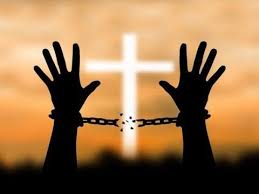
When Psalm 147:3 speaks of healing, it is not describing surface-level comfort. It is describing divine reconstruction. And here is the part many overlook: deconstruction does not always take years. It takes surrender. https://RandyGoodwin.org/podcasts
Time alone does not heal trauma. Awareness, truth, and intentional participation do.
You can spend twenty years avoiding your inner world and see no change. Or you can spend months courageously confronting what lies beneath and experience radical transformation. The determining factor is not the calendar. It is commitment.
The real work happens in what you cannot see.
Most people focus on visible behaviors: anger, withdrawal, anxiety, people-pleasing, perfectionism, addiction, emotional numbness. But those behaviors are symptoms. The programming lies deeper—in assumptions about identity, safety, worth, and control.
For example, a survivor who constantly overachieves may believe they are just “driven.” But beneath that drive may be a core belief: “If I don’t perform, I’ll be rejected.” That belief may have formed decades ago. It may not even feel like a belief—it feels like reality.
That is the programming. What you do not know about yourself often governs you the most.
The subconscious mind stores patterns formed during moments of high emotion. Trauma imprints deeply because it carries intensity. When something overwhelming happens, the brain encodes not just the event, but the conclusions drawn during it. Those conclusions then become filters through which future experiences are interpreted.
If a child experiences repeated abandonment, they may unconsciously decide, “People leave.” As an adult, even neutral situations may trigger fear of abandonment. A delayed text response feels catastrophic. A disagreement feels like impending rejection. The body reacts as if history is repeating itself—even when it is not.
You cannot heal what you refuse to examine.
And this is why seriousness matters. https://www.youtube.com/@Randy-Goodwin
Approaching healing half-heartedly keeps you at the level of symptoms. True healing requires asking uncomfortable questions: 
What do I believe about myself?
What do I assume about others?
What do I fear most?
What story did I write about my worth?
What conclusions did I draw when I was hurt?
This is not about self-blame. It is about self-awareness.
When God heals, He exposes before He restores. Not to shame—but to rebuild correctly.
Many survivors fear that deconstruction will undo them. They worry that if they pull apart the structures they built to survive, they will collapse. But the opposite is true. Those structures are already unstable. They are exhausting to maintain. Hypervigilance drains energy. Suppressed emotion manifests in the body. Control becomes suffocating.
Deconstruction is not destruction. It is liberation.
And it does not require endless years of reliving every detail of the past. It requires truth confronting lies. It requires replacing false conclusions with accurate ones. It requires allowing God access to the hidden rooms of the soul.
Sometimes transformation accelerates the moment a person becomes fully honest.
“I am not fine.”
“I am afraid.”
“I don’t trust.”
“I feel unworthy.”
“I built this identity to protect myself.”
When honesty meets divine healing, progress can be swift. https://www.facebook.com/profile.php?id=100064561521226
The idea that healing must take decades can actually discourage commitment. Yes, healing is layered. Yes, growth continues throughout life. But dismantling core false beliefs can happen much faster than people assume. When you identify a lie and replace it with truth consistently, the brain begins to rewire. Neuroscience confirms what Scripture implies: patterns can change. Neural pathways can shift. Emotional responses can recalibrate.
But again, not with a casual approach.
Healing requires participation. It requires consistency. It requires the humility to admit that some of what you believe about yourself and the world was shaped in pain—not in truth.
There is also a spiritual dimension that cannot be ignored. Trauma often distorts one’s image of God. If authority figures were harsh, God may seem harsh. If caregivers were absent, God may feel distant. If love was conditional, grace may feel suspicious.
These distortions must be addressed.
You cannot fully receive healing from someone you subconsciously distrust.
This is why Psalm 147:3 is so powerful. It reveals God’s posture toward the brokenhearted. He does not condemn the wound. He binds it. He does not criticize the fracture. He repairs it. His approach is not forceful domination—it is restorative care.
For a survivor, internal structures were built to avoid further injury. But when those structures block intimacy, vulnerability, and authentic connection, they become prisons. Deconstruction is not about erasing your survival story. It is about honoring the strength that kept you alive while releasing the mechanisms that no longer serve you.
You must decide that you are ready.
Not curious. Not experimenting. Ready.
Because what you cannot see and what you do not know about yourself—that is where the programming lies. And ignoring it does not neutralize it. It continues influencing reactions, relationships, decisions, and identity.
The healing described in Psalm 147:3 is not abstract theology. It is deeply personal reconstruction. It is the slow but powerful dismantling of lies and the rebuilding of truth. It is the replacement of fear-based architecture with trust-based foundations.
And it begins the moment you stop treating healing like an option and start treating it like a necessity.
When you become serious, you create space for transformation. When you invite God into the hidden layers, exposure becomes freedom. When you confront subconscious programming, you regain authority over your inner world.
He heals the brokenhearted. 
Not someday.
Not symbolically.
Not halfway.
He heals.
And sometimes, the most dramatic change does not come from adding something new—but from courageously tearing down what pain built and allowing something stronger, truer, and whole to take its place. https://RandyGoodwin.org