


Journey as an SRA Survivor: 7 Steps to Breaking Free 
Every survivor of ritual abuse has a story of incredible strength. My journey through psychological trauma has been tough. It’s about healing and finding myself again after Satanic Ritual Abuse (SRA).
The journey as an SRA survivor is a path filled with challenges, but it is also one of empowerment and discovery.
Getting free from the trap of manipulation and trauma took a lot of courage. Knowing I wasn’t alone was my first step to healing. SRA survivors face hidden memories and complex feelings that challenge usual therapy.
Each journey as an SRA survivor is unique, requiring patience and support from others who understand.
Telling my journey as an SRA survivor isn’t about getting pity. It’s about giving hope to others who’ve gone through the same.
Key Takeaways
- Survivors of ritual abuse can rebuild their lives
- Healing is a personal and unique journey
- Professional support is crucial for recovery
- Breaking silence helps reduce isolation
- Trauma does not define a person’s worth
Understanding Satanic Ritual Abuse: A Survivor’s Perspective
Survivors of satanic cult abuse face deep emotional scars. These scars go beyond usual trauma. Ritual abuse breaks down a person’s sense of self and reality through complex psychological tricks.
The journey as an SRA survivor involves facing deep emotional scars and finding ways to heal.
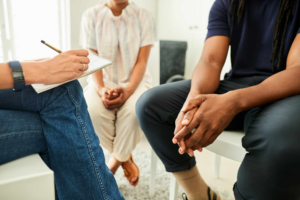
Survivors must understand the mind control tactics used by abusers. These tactics help keep victims silent and under control. Child abuse in occult groups is especially traumatic.
Understanding the journey as an SRA survivor helps in recognizing the tactics used by abusers.
Defining SRA and Its Impact on Victims
Satanic Ritual Abuse (SRA) is a severe form of trauma. It includes:
- Systematic psychological manipulation
- Ritualistic abuse with spiritual/occult elements
- Deliberate breaking of personal identity
- Controlled abuse passed down through generations
“Breaking free requires understanding the intricate mechanisms of control used against vulnerable individuals.”
Common Misconceptions About Ritual Abuse
Every journey as an SRA survivor sheds light on the complexities of recovery from such trauma.
Many people don’t get how complex occult deliverance and ritual abuse are. These are real, traumatic experiences that survivors bravely face.
The Psychology of Cult Programming
Cult programming uses psychological tricks to make victims dependent and lose their freedom. Abusers target a victim’s core sense of self with advanced manipulation.
- Isolation from support systems
- Intense emotional and physical conditioning
- Creating fear-based compliance mechanisms
- Systematic destruction of personal boundaries
Healing starts with recognizing these complex strategies and taking back personal power.
Signs of Hidden Trauma
Growing up, I saw signs of hidden trauma that few noticed. The signs of child abuse were hidden behind a normal childhood. This created a complex emotional world that took years to grasp.
“Trauma doesn’t tell you when it will hit you. It finds you in the most unexpected moments.” – Anonymous Survivor
My early life was filled with behaviors typical of hidden trauma. These signs were often missed by family and teachers. This made my inner struggle silent and unseen.
- Extreme anxiety during social interactions
- Persistent nightmares and sleep disturbances
- Unexplained physical symptoms without medical cause
- Difficulty forming trusting relationships
- Hypervigilance and constant emotional guardedness
Seeking survivor support was key to spotting these early signs. Each behavior was a shield to protect me from deep childhood wounds.
| Trauma Indicator | Potential Psychological Impact |
|---|---|
| Emotional Detachment | Protection from potential emotional harm |
| Perfectionist Behaviors | Attempting to control unpredictable environments |
| Chronic Mistrust | Result of previous emotional violations |
Understanding these subtle signs is crucial for recognizing and supporting children who might be experiencing hidden psychological trauma.
Dark Secrets Exposed, Esoteric Trafficking Uncovered
Esoteric trafficking is a complex and harmful network that targets the weak. My survival story has uncovered how human trafficking works in secret societies. It shows how people are manipulated in ways we can’t fully understand.
The Underground Network’s Structure
Esoteric trafficking uses a web of connections to exploit people’s minds. These networks have:
- Generational cult involvement
- Strategic psychological programming
- Elaborate communication systems
- Hierarchical power structures
Patterns of Psychological Manipulation
Traffickers control people in ways that go beyond physical force. Occult deliverance helps us understand these complex mind games. They use:
Exploring the journey as an SRA survivor helps us understand the psychological manipulation involved.
- Creating total dependency
- Isolating victims from support systems
- Employing ritualistic trauma bonding
- Implementing fear-based conditioning
“The most dangerous chains are those invisible to the naked eye.” – Survivor Testimony
Breaking the Code of Silence
Talking about human trafficking takes a lot of courage. By sharing our stories, survivors help break the silence. Each story is a light of hope, fighting against the darkness and freeing those trapped.
Each survivor’s journey as an SRA survivor is significant in breaking the silence.
The Process of Memory Recovery
Recovering memories from psychological trauma linked to ritual abuse is a careful and kind process. Survivors often have broken memories that come out through different therapy methods. These methods help them deal with the complex effects of mind control and trauma.

- Safe therapeutic environments
- Specialized trauma-informed counseling
- Gradual memory reconstruction
- Validation of survivor experiences
“Healing is not about remembering everything, but understanding enough to move forward.” – Trauma Recovery Expert
Experts working with ritual abuse survivors use special techniques to help them process their memories. These include:
Healing is part of the journey as an SRA survivor, addressing the complexities of traumatic memories.
- Cognitive processing therapy
- Eye movement desensitization and reprocessing (EMDR)
- Narrative therapy
- Somatic experiencing
| Technique | Primary Focus | Benefit for SRA Survivors |
|---|---|---|
| EMDR | Neurological processing | Reduces psychological trauma triggers |
| Narrative Therapy | Personal storytelling | Rebuilds personal identity |
| Somatic Experiencing | Body-based healing | Releases stored traumatic energy |
It’s crucial to understand that memory recovery is a deeply personal journey. Each survivor’s path is unique, and healing happens at an individual pace.
Finding Support: Professional Help and Survivor Networks
The journey as an SRA survivor is often long, requiring a strong support system and professional guidance.
Healing from satanic ritual abuse (SRA) needs a lot of support and understanding. Survivors face special challenges that need special care and kindness. Finding recovery involves mental health help, connecting with others, and gaining personal strength.
Therapeutic Approaches for SRA Survivors
Special therapy is key for healing and deprogramming. Mental health experts trained in trauma recovery offer:
-
- Complex trauma-informed therapy
- Dissociative identity disorder treatment
- Cognitive behavioral techniques
Engaging in therapy is crucial in the journey as an SRA survivor to process trauma effectively.
- Eye movement desensitization and reprocessing (EMDR)
Building a Support System
Support networks are crucial for recovery. Meeting others who get what SRA survivors go through can offer validation and hope.
Every journey as an SRA survivor emphasizes the importance of community support.
| Support Network Type | Benefits |
|---|---|
| Professional Counseling | Individualized trauma processing |
| Survivor Support Groups | Shared experiences and understanding |
| Peer Counseling | Emotional validation and connection |
Online Communities and Resources
Online platforms offer support for SRA survivors. Safe online spaces give anonymity, resources, and connection without limits.
Online resources can also aid in the journey as an SRA survivor, providing anonymity and support.
“Recovery is not about how fast you heal, but about moving forward with compassion for yourself.” – Trauma Recovery Expert
- Moderated survivor forums
- Anonymous support chat rooms
- Professional resource websites
- Specialized recovery webinars
Remember, healing is a personal journey. Each survivor’s path is unique, and professional guidance can provide the necessary tools for reclaiming personal power and creating a fulfilling life.
Healing from Mind Control Programming

Survivors of ritual abuse face a tough battle against mind control programming. This can feel like a heavy burden. The path to deprogramming is long, requiring patience, kindness, and specific therapy methods to heal deep psychological wounds.
To break free from mind control, survivors need to focus on a few key steps:
- Recognizing programmed response patterns
- Developing personal safety mechanisms
- Working with trauma-informed mental health professionals
- Building psychological resilience
“Healing is not about erasing the past, but reclaiming your power to define your future.”
Ritual abuse trauma forms complex neural paths that need careful, step-by-step dismantling. Survivors must learn to spot triggers, understand their programmed reactions, and slowly regain control over their lives.
Important recovery techniques include:
- Cognitive restructuring to challenge internalized negative beliefs
- Body-based therapies that release stored trauma
- Safe memory processing techniques
- Developing healthy coping mechanisms
Getting professional help is vital for deprogramming success. Trained therapists in trauma recovery offer the necessary support. They help dismantle harmful programming and help survivors regain their personal power.
Spiritual Recovery and Reclaiming Faith
Surviving a satanic cult experience can deeply fracture one’s spiritual landscape. The journey of spiritual healing requires patience, compassion, and a willingness to reimagine personal beliefs beyond traumatic experiences.

Rebuilding Trust in Spirituality
After experiencing occult deliverance from a traumatic past, survivors often struggle to reconnect with spiritual practices. The key is understanding that personal spirituality is distinct from the manipulative rituals experienced in the cult environment.
-
- Recognize that your spiritual journey is uniquely yours
Reconnecting with spirituality is part of the journey as an SRA survivor, fostering healing and empowerment.
- Explore diverse spiritual traditions without pressure
- Practice self-compassion during spiritual exploration
Finding Personal Beliefs
Finding personal beliefs is essential in the journey as an SRA survivor, guiding toward spiritual healing.
Spiritual healing involves discovering beliefs that resonate authentically with your inner truth. This process is deeply personal and requires gentle self-reflection.
“Healing is not about erasing the past, but creating a meaningful present.” – Anonymous Survivor
Creating New Rituals of Healing
Reclaiming spiritual power means developing personal rituals that promote emotional safety and inner peace. These might include meditation, journaling, nature walks, or creative expressions that feel nurturing.
- Design personal ceremonies of healing
- Connect with supportive spiritual communities
- Practice mindfulness and self-validation
Remember, your spiritual path is a journey of rediscovery and empowerment.
Physical and Emotional Safety: Creating Boundaries
For survivors of child abuse, setting up safety is key. Physical and emotional boundaries are powerful tools. They help protect and empower survivors. Recognizing boundaries as a right is crucial for healing.
Building boundaries is a vital part of the journey as an SRA survivor, ensuring emotional safety.
“Boundaries are the distance at which I can love you and me simultaneously” – Prentis Hemphill
Building strong support systems is vital. Survivors need to know their triggers and coping strategies. Healing from psychological trauma requires careful emotional management.
- Identify personal triggers and warning signs
- Practice consistent self-care routines
- Establish clear communication strategies
- Learn assertiveness skills
- Create safe physical and digital spaces
Setting up effective boundaries is about safety in all areas. Survivors must learn to protect themselves emotionally and physically. This helps them keep healthy relationships.
Establishing boundaries will support the journey as an SRA survivor, fostering healthy relationships.
| Boundary Type | Key Strategies | Purpose |
|---|---|---|
| Emotional Boundaries | Limit interactions, practice saying no | Protect mental health |
| Physical Boundaries | Control personal space, manage touch | Ensure physical safety |
| Digital Boundaries | Manage social media, limit contact | Prevent potential retraumatization |
Remember, healing is a personal journey. Each small step towards establishing boundaries is a significant victory in psychological trauma recovery.
Integrating Trauma: From Survivor to Thriver
The process of integrating trauma is crucial in the journey as an SRA survivor.
The journey of sra survivors is about turning psychological trauma into healing and growth. It’s not just about surviving. It’s about finding your true self and spiritual healing.
Healing is a complex process that touches many parts of a survivor’s life. It’s about reconnecting with yourself and building inner strength.
Methods of Integration
Effective ways to deal with psychological trauma include:
- Trauma-informed therapy
- Body-based healing techniques
- Mindfulness practices
- Creative expression workshops
Identity Reconstruction
Rebuilding your sense of self after ritual abuse means:
- Challenging negative beliefs
- Creating a true self-story
- Setting healthy boundaries
- Practicing self-compassion
Finding Purpose Through Pain
“Our deepest wounds can become our greatest sources of strength and transformation.”
Finding purpose through pain is a transformative part of the journey as an SRA survivor.
Many sra survivors find deep meaning by turning their pain into growth and advocacy. This spiritual healing lets them reconnect with their inner wisdom and live a life of resilience.
Many SRA survivors reach a point where their journey as an SRA survivor becomes one of thriving.
| Stage | Focus | Key Outcomes |
|---|---|---|
| Survival | Safety and Protection | Stabilization |
| Recovery | Processing Trauma | Emotional Understanding |
| Thriving | Personal Empowerment | Purpose and Meaning |
By embracing this journey, survivors can go from just existing to truly living. They reclaim their power and create a life full of hope, connection, and true self-expression.
Advocacy and Raising Awareness
Advocacy is often a powerful part of the journey as an SRA survivor, focusing on raising awareness.
Breaking the silence on human trafficking and ritual abuse is a big step. It takes brave survivors who turn their pain into advocacy. As someone who has been trafficked, I know how vital it is to share our stories for change.
Advocacy starts with education and awareness. Survivors are key in:
- Educating others about ritual abuse
- Supporting victims with our experiences
- Challenging wrong beliefs about human trafficking
- Creating ways to prevent it
“Our voices are our most powerful weapon against darkness. By speaking out, we dismantle the systems that enable abuse.” – Anonymous Survivor
Effective advocacy uses many strategies. Survivors can engage through:
- Sharing their stories at events
- Building support networks
- Working with anti-trafficking groups
- Helping shape laws
Raising awareness is more than just telling stories. It’s about making real changes. By shedding light on human trafficking and ritual abuse, survivors help prevent and heal.
Conclusion
The conclusion of this journey as an SRA survivor reflects resilience and transformation.
The journey of healing for SRA survivors is deeply personal and transformative. Each step toward recovery shows incredible courage and resilience. Spiritual healing helps rebuild one’s sense of self, beyond the trauma.
Survivor support networks are key in this healing process. Connecting with others who understand helps survivors find validation and strength. Professional therapy and community support create a path to recovery and empowerment.
Support networks are crucial in reinforcing the journey as an SRA survivor.
It’s important to break the silence around ritual abuse to support future survivors. Our understanding and compassion can lead to change. This helps individuals reclaim their lives and find new purpose.
This journey is about more than survival. It’s about finding personal power, rebuilding trust, and living a meaningful life. Every survivor’s story is important, showing human resilience and the power of transformation.
This journey as an SRA survivor is about empowerment and reclaiming one’s power.
What is mind control programming?
Mind control programming is a way to control someone’s thoughts and actions. In ritual abuse, it’s used to keep victims under control. Techniques like trauma and dissociation are used to achieve this.
Can survivors fully recover from ritual abuse?
Yes, recovery is possible. It’s a long and personal journey. With the right support, therapy, and determination, survivors can heal and live fulfilling lives.
Indeed, the journey as an SRA survivor may be challenging, but it is also filled with hope.
Ultimately, every journey as an SRA survivor is a testament to the enduring human spirit.